Letting
Can a landlord refuse to let a flat to someone with a pet?
By: Monika Serżysko
The fact that a prospective tenant has a dog or lives with a cat often only comes to light during discussions about the tenancy. For the landlord, this raises questions about damage, noise and relations with neighbours. Can they refuse? As a rule, the owner of a private flat is free to choose whom they let it to and to set conditions for its use, subject to applicable law. This does not mean, however, that every concern about a pet is justified.
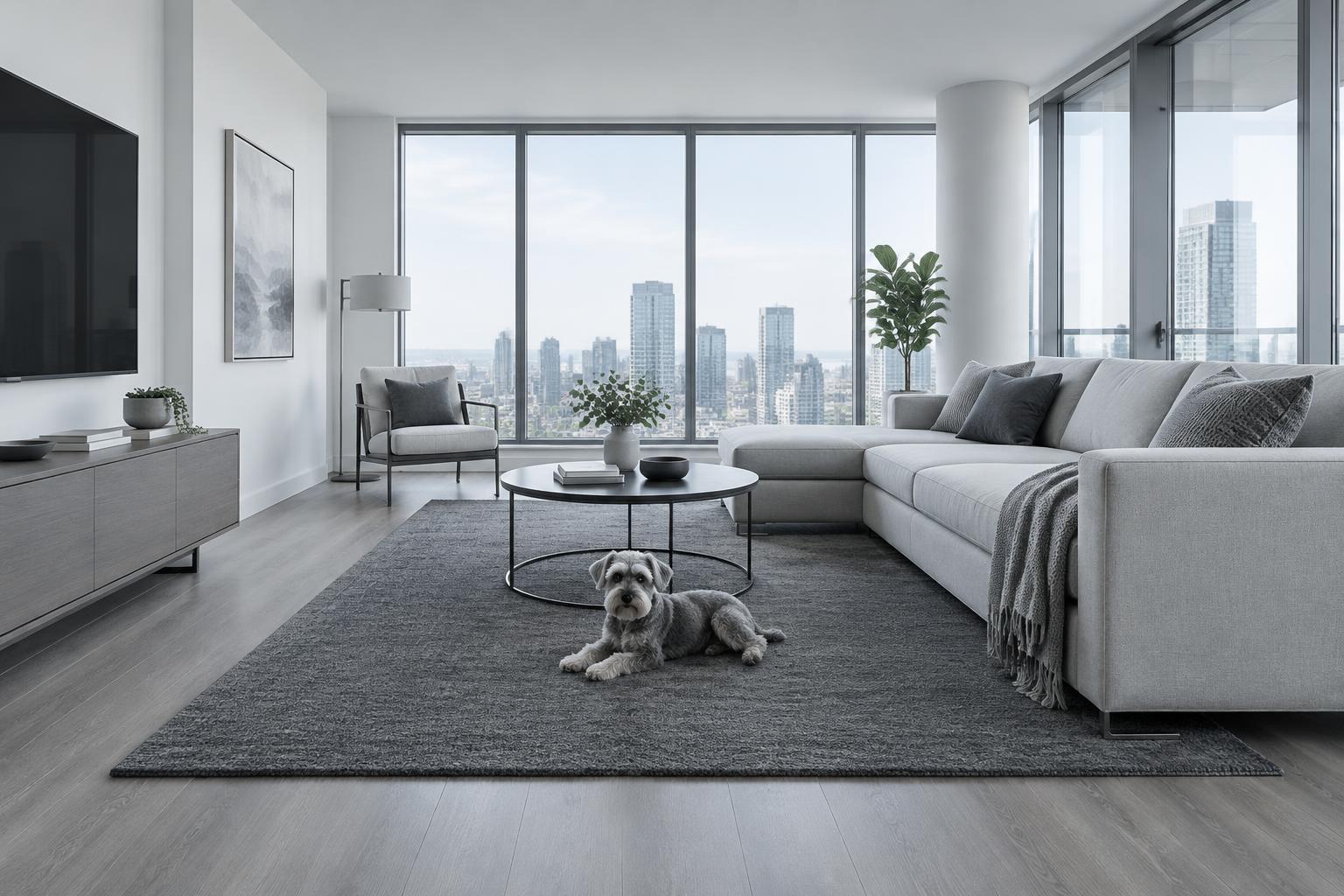
It is worth assessing each tenant and each pet individually. Relevant factors may include the dog’s size and age, the number of pets, previous renting experience and arrangements for their care. Simply owning a pet says little about whether the flat will be kept in good condition. A tenant without pets can also cause costly damage.
If the landlord allows pets, it is best to agree the rules before signing the tenancy agreement. These should specify which pets will be living in the property, reiterate the obligation to respect neighbours’ peace and quiet, and establish liability for damage beyond fair wear and tear. A tenancy deposit can provide security for claims, but its amount must comply with the limits applicable to the type of tenancy concerned. It should not be treated as a non-refundable ‘dog fee’.
A handover report is essential. Photographs of floors, doors, skirting boards, upholstered furniture and fittings allow the property’s condition to be compared later. It is also worth considering tenant liability insurance, after checking the actual scope of cover: not every policy covers all damage caused by a pet.
My practical advice: rather than saying ‘no’ automatically, have a calm conversation and assess the risk. A well-drafted tenancy agreement will not eliminate every problem, but it can open the property up to a wider pool of applicants without compromising the protection of the landlord’s interests.
Have a question about your situation?