Selling
Selling your flat? Five things you should not conceal from the buyer
By: Monika Serżysko
Sellers want to present their property in the best possible light. That is natural, but omitting important information can lead to conflict, claims or even litigation after the transaction. A professionally prepared sale highlights the property’s strengths without withholding facts that could influence the buyer’s decision.
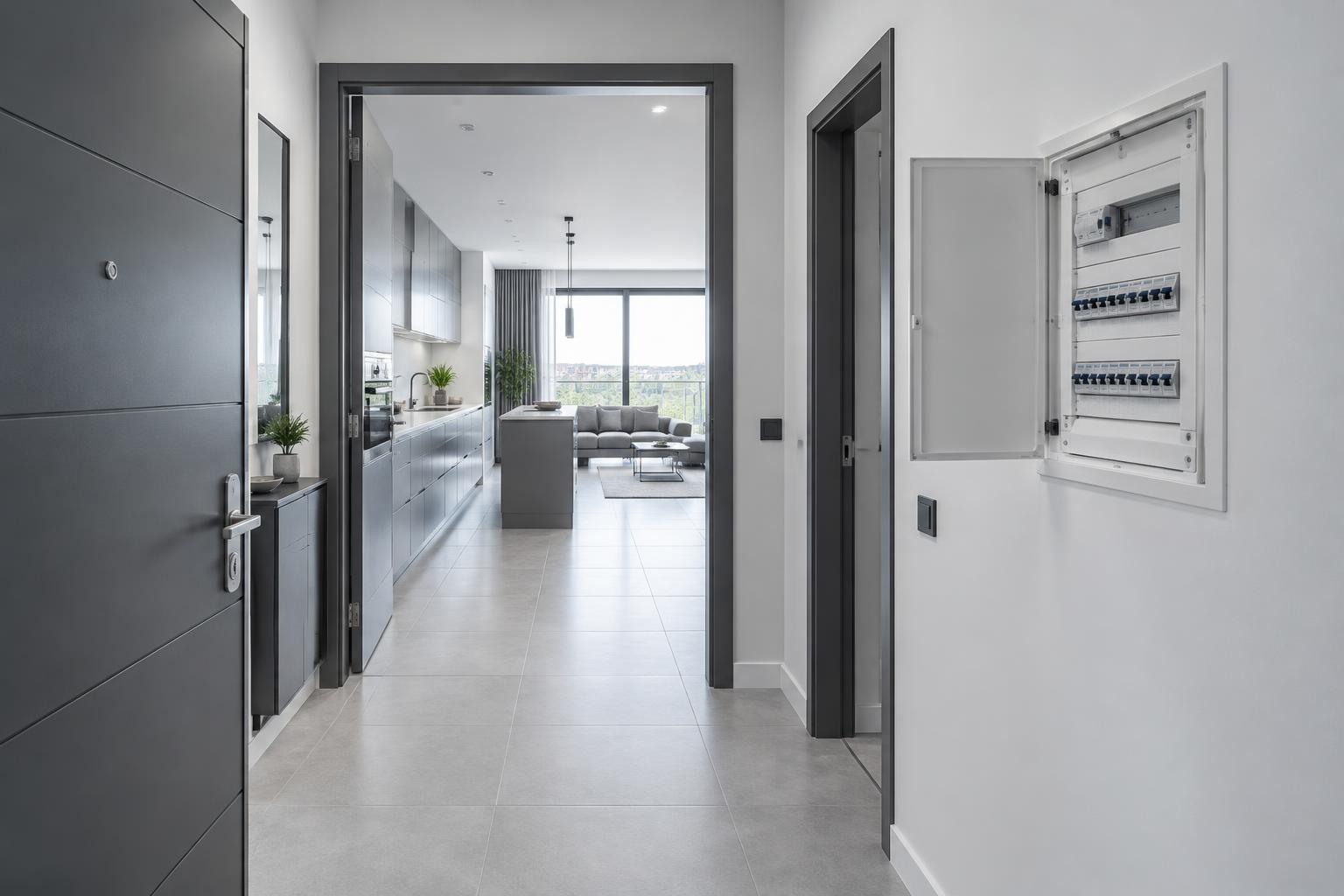
First: known physical defects. Recurring damp, leaks, faulty installations or ventilation problems should be described factually. A recent coat of paint does not address the cause of damp. If repairs have been carried out, it is worth keeping the documentation, invoices or a specialist’s assessment.
Second: the property’s legal status. The buyer should be able to check the land and mortgage register, mortgages, easements, claims and other restrictions. An existing mortgage need not prevent a sale, but the repayment arrangements and bank documentation must be properly prepared.
Third: financial obligations relating to the flat. It is worth providing details of current charges, statements of account with the owners’ association or housing cooperative, and information on any arrears. Not all debts automatically pass to the buyer, but a lack of clarity complicates the transaction and makes it harder to assess running costs.
Fourth: alterations and technical changes. Removing a wall, relocating services or converting a room may require checks of the documentation and confirmation that the work complies with the regulations. An altered layout should not be presented as problem-free without verification.
Fifth: third-party rights. The buyer should be informed of any ongoing tenancy, right to use the flat or other occupancy arrangements before signing the contract.
Have a question about your situation?